

RODE Architects, the South End-based firm with deep roots in Dorchester, is marking its 20th anniversary this month with the elevation to partnership status of two longtime employees, Ben Wan and Jessica Haley. It is the firm’s first leadership expansion since its founding in 2006 by longtime Dorchester residents Eric Robinson and Kevin Deabler.
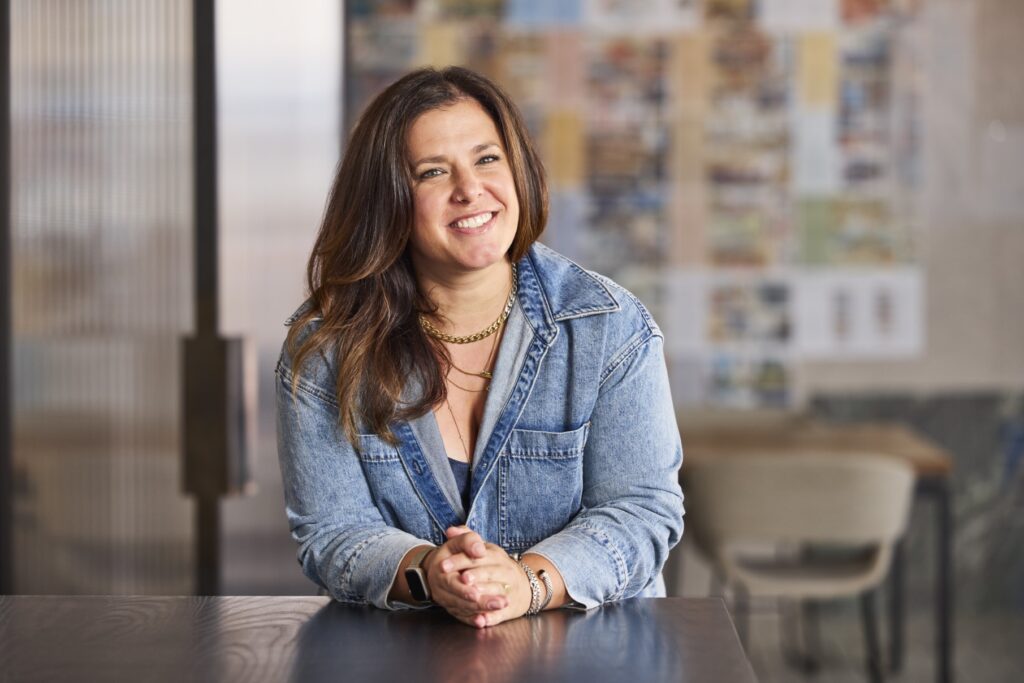
Jessica Haley.
In 2009, Wan joined them as their first employee and interior designer Haley came aboard four years later. Their new status reflects the firm’s confidence in a trajectory of future success as they carry on in the spirit of the firm’s mission statement: “Build like we live there.”
Said the 54-year-old Deabler: “Eric and I are just trying to shepherd this business forward. Growing from within is a really cool thing to be able to make happen.”
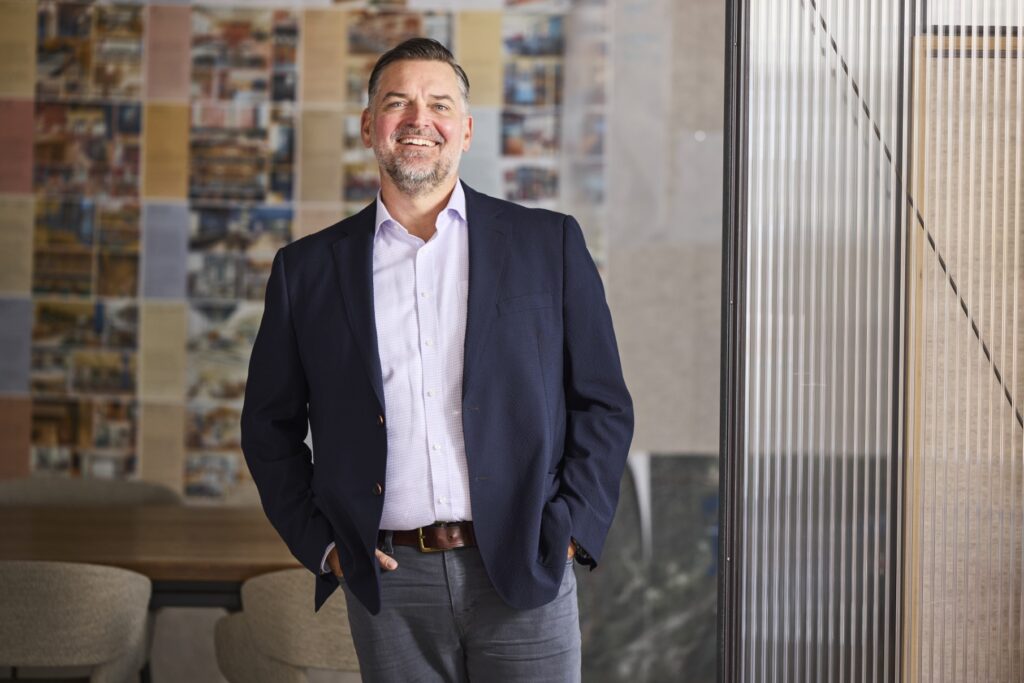
Kevin Deabler.
The founders are longtime friends who met as classmates at North Carolina State University in the 1990s. “We actually met in our freshman design studio,” recalled Deabler. “I would say that’s where the very birth of [RODE] was. That kicked off our friendship as well because we were just freshmen, the design curriculum was pretty tough, and you spend a lot of time with your studio pals.”
After graduation, with their BAs in Environmental Design in Architecture in hand, they headed off to graduate school, with Deabler heading straight to Boston while Robinson took a detour to Virginia before landing in Savin Hill.
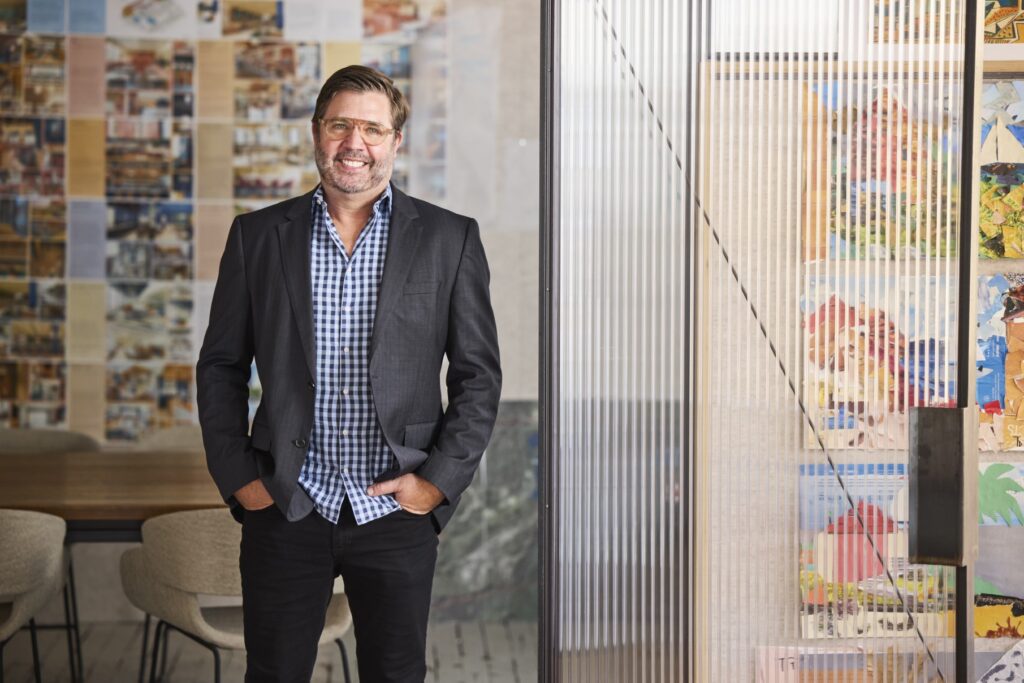
Eric Robinson.
When a nearby resident moved away, Robinson encouraged Deabler to move into the neighborhood. “There was a house between us, so some buffer,” joked Robinson, who is six months older than his best friend. “We were living on the same street, but our professional lives were totally separate; we didn’t work together.”
He added, “We were both getting to a place at our old firms where it was time to go. You know when it is, I think. We were like, our neighborhood could use some help, and we wanted a different future. We said, ‘Let’s try to start something,’ and it started that way.”
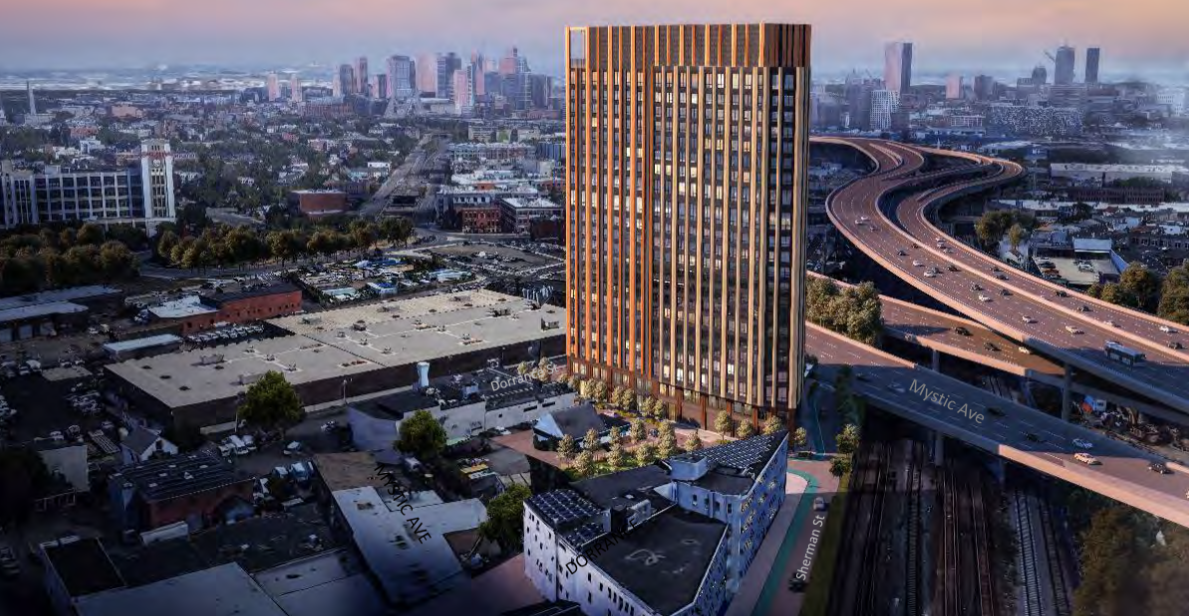
The hometown projects started small – bathroom and staircase renovations for neighbors – but grew to become far more. The company now lists dozens of major projects in their portfolio, including several prominent buildings in Dorchester, including DOT Block, Savin Flats, 247 Hancock, The Meeting House (also on Hancock Street) and the newly opened 1121 Dorchester Ave., which includes the ground-level restaurant The Chester.
“We were active in our neighborhood group; we were on the planning committee, and we were seeing a lot of the subpar proposals for work in the neighborhood,” Robinson said. “It really started in that way, very organic, very selfish in some way, intentionally selfish to make our own neighborhood better.”
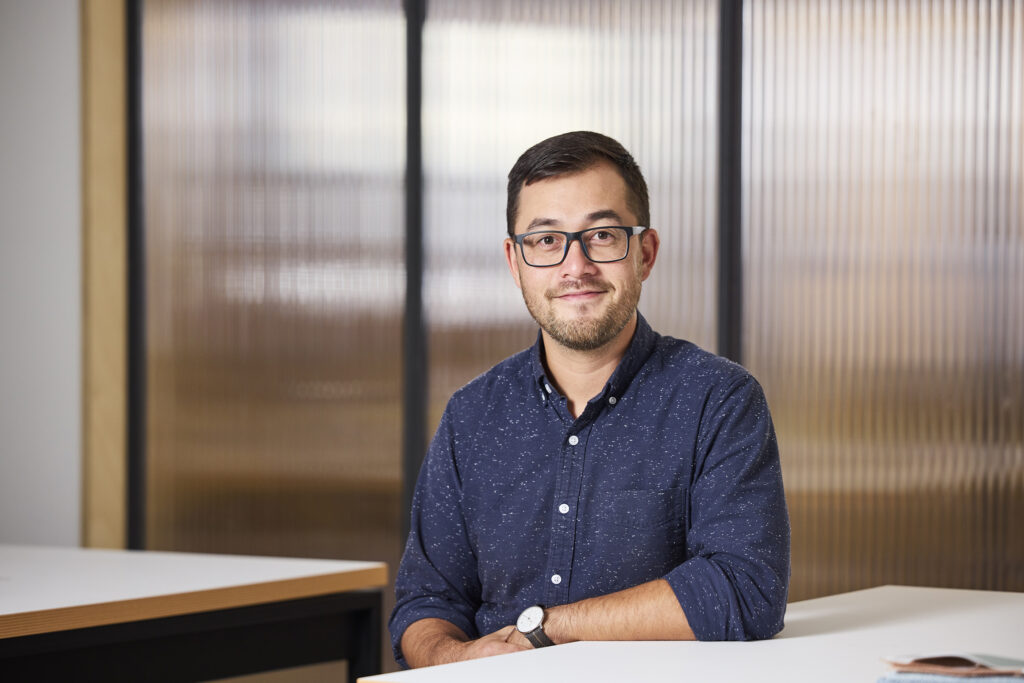
Ben Wan.
For their part, Wan and Haley have been key players in some of RODE’s most notable Dorchester-based projects, including the award-winning Dorchester Brewing Co. building on Mass. Ave and the ongoing FieldHouse+ project on Mount Vernon Street.
“I was employee number one,” says Wan, now 41. “I started with Eric and Kevin in this building [535 Albany St.], upstairs in a closet of an office, and in the last 16 years we’ve grown to be about 35 people. Eric was my professor at Northeastern. I graduated in 2008, and it was not a great time to be an architect. I waited tables for a while, and as they were growing the firm, they needed support with graphics and renderings, so I helped.”
Robinson explained that in those early days, they couldn’t always afford to pay Wan. For some reason, the ambitious architect kept coming back, and in 2009, his dedication paid off when he was hired for a full-time position.
The 43-year-old Haley joined the firm shortly after, in 2013, and has since helped shape RODE’s culture, design philosophy, and portfolio.
“At that point, RODE was five architects, including Kevin and Eric,” she said. “They were finding some restaurant opportunities, but there was a separate interior designer. They were like, maybe we should consider bringing it all in-house so we could do the whole project, not just the architecture side. I came and talked to them, and I got inspired by where they were with their growth and the type of projects.”
Both Haley and Wan saw RODE as a place where they could continue to grow. In 2023, they were named principals; now they are partners.
“I think I learned more in my first year here than I did in the seven years before that,” saids Haley. “It’s because of them just saying, ‘Here’s your project, go for it, figure it out, it’s yours to figure out.’ There wasn’t any sort of micromanagement in any capacity.”
Wan agreed with that assessment, noting that during his time at RODE “it’s never been stale.” He added, “I’ve always had a new challenge. There’s always been a push to grow. This place gives you the opportunity to seize responsibility, challenge yourself, and take control if you want to take it.”
Haley, who lives in Cedar Grove, is proud to be a part of a company that directly impacts her community. “As we grow and mature, I think Dorchester is doing the same thing, and it just kind of goes hand in hand,” she said. “I don’t think we ever see ourselves not having projects going on in Dorchester, both from the housing standpoint and the more commercial-based standpoint.”

The $70 million Fieldhouse+ facility (shown above in a rendering) now rising on Columbia Point might be the most important RODE project to date, said Robinson, who called it a “once in a generation opportunity to think of something that’s rooted in the community and also serving it in a new and exciting way. Offering back something that’s not there. It’s almost hard to put into words how important that project is to the firm.”
Whether it’s designing a $70 million, 75,000-square-foot complex, a transit-oriented apartment building at Peabody Square, or a market on Savin Hill Ave, RODE’s approach remains the same.
“We like to think that each one of the projects that we’ve built uplifts the area around it,” said Deabler. “We like to think that we raise some expectation levels on what good design is, what good construction is, what good housing is, and how to treat your neighbors properly.”
He and Robinson know Wan and Haley will help them do so for years to come.
“We’ve often been told to hire people who are smarter and more talented than we are,” Robinson said about his new partners. “They’re the future of RODE, and we’ve always aspired for the firm to be a legacy firm that would move on to its future without us at some point.
“In order to do that,” he said, “we need people who can steward the mission of it. I think they both instill that to the core and believe in what we are trying to do and what the firm represents.”
