
By Betty McGuire, Suzana Morais, and Nacaira Tse Greenaway
Before the sun rises, we are already awake. Our grandchildren arrive at our homes so their parents can make early shifts — construction, healthcare, retail — jobs that don’t wait. By afternoon, we’re helping with homework. By evening, we’re making dinner.
For some of us, custody challenges mean stability depends on our presence. Every day we ask ourselves: Do we seek full-time employment, or do we remain the steady presence our grandchildren need?
This is childcare in Massachusetts, not always classrooms and centers, but also grandmothers, neighbors, and relatives quietly holding families together. This is Family, Friend, and Neighbor (FFN) childcare, non-parental attention provided by someone who already has a trusted relationship with the family. Across the Commonwealth, thousands of working families rely on care like ours.
It happens before dawn when a parent leaves for an early shift or late at night when a job runs overtime. And it happens in homes where we make it possible for others to earn a paycheck, even as the system fails to recognize or value the labor that makes those paychecks possible.
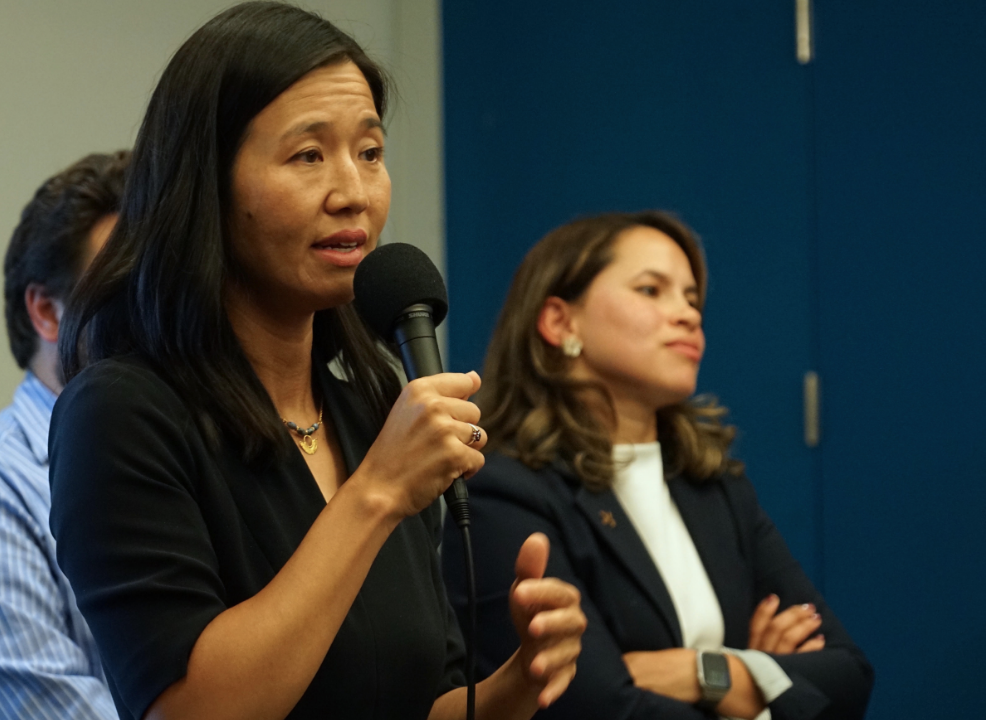
Last September, we walked into the Massachusetts State House with 15 children in tow. For many of the kids, it was their first time inside the building where decisions about their futures are made. We were there to testify in support of legislation to strengthen FFN childcare across Massachusetts.
For many families, this kind of care is not a preference — it is the only option that works. Parents with unpredictable schedules cannot rely solely on programs that close at 5 p.m. Long wait lists, limited locations, and high costs can make formal care inaccessible. In Massachusetts, childcare costs for a family with an infant and a four-year-old can reach $40,000 per year – more than the average cost of in-state tuition at a public four-year college.
While we live in one of the wealthiest states in the country, you can see the government’s priorities by where it directs its dollars. Less than 0.2 percent of the state’s childcare subsidy budgets reach these caregivers, who make it possible for parents to work. Many earn just $5.30 per hour when caring for children with state vouchers— well below minimum wage. An economy that depends on invisible, underpaid labor to function is failing the very people who make it possible.
When we stay home to care for our grandchildren, we forgo income. When we step in before sunrise, we make it possible for parents to stay employed. In a state where living costs are high and wealth is extremely concentrated, we’re the ones forced to sacrifice so others can work.
Childcare is not just a family issue. It is a workforce issue. When parents cannot find flexible care, they reduce hours, turn down jobs, or leave employment entirely. Communities and local economies feel the effects.
That is why Care That Works — a coalition including New England Community Project (NECP), Brockton Workers Alliance (BWA), Brookview House, SEIU 509, and others — is supporting H.542/S.341. The bill would improve flexibility within the voucher system and strengthen support for FFN providers so that state voucher policy better reflects how families actually live and work.
Recognizing FFN care does not replace traditional childcare programs. It acknowledges the full ecosystem of care that already sustains working families across Massachusetts.
Just as it takes a village to raise a child, it takes a childcare system that recognizes that village.
Betty McGuire is a member of New England Community Project and a grandmother providing Family, Friend, and Neighbor childcare in Mattapan and Dorchester. Suzana Morais is a member of Brockton Workers Alliance and a grandmother providing Family, Friend, and Neighbor childcare in Brockton. Nacaira Tse Greenaway is an Organizer with Community Labor United.
