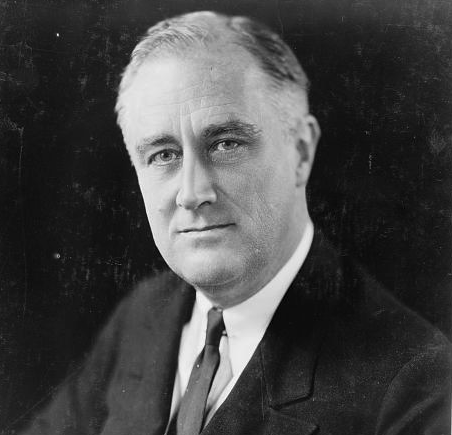
Pictured: President Franklin Delano Roosevelt. Library of Congress image
By Jeff Klein
Special to the Reporter
Democratic voters are rightly celebrating their electoral blowout last week. But it would be a huge mistake to become complacent.
In many places the vote was more a repudiation of Trump than a show of support for Democrats. And Dems continue to underperform among the sections of the working class who were once part of their loyal base.
Polling before and after the election shows a powerful no-confidence vote over the economy and affordability, with 69 percent saying that the economic system favors the wealthy. They are not wrong.
Dems will have to deliver real solutions, or they could be faced with a dizzying backlash by unhappy voters in the next election. As Sen. Elizabeth Warren commented: “Democrats won this election by claiming we are on the side of working people, and working people are counting on us to deliver.”
Here is how to start:
– At least double the federal minimum wage, which has not moved from $7.25 for many years, and permanently adjust it according to the rate of inflation.
– Enact universal, affordable healthcare, whether through “Medicare for All” or some other affordable public insurance option.
– Mandate paid family/medical leave on the model of what Massachusetts has already done.
– Enact universal pre-kindergarten education and subsidized childcare for working parents.
– Pass long-overdue labor law reform that will remove barriers to workers joining unions.
Most Republicans will oppose these measures. Let them. Dems should demand roll call votes in Congress and vote to override any presidential veto. This will expose the fake “populism” of the right that has sometimes attracted working-class voters.
Republicans will claim “we can’t afford it” but reality says something different. The burden of raising the minimum wage and enacting paid family/medical leave will fall on employers, not taxpayers. Many studies show that publicly administered Medicare and Social Security operate with much less overhead than private insurers. Moreover, there is plenty of money in the hands of our plutocrats and corporations who have increasingly avoided paying taxes in recent decades.
A good start in that regard would be to close the loophole that allows hedge fund billionaires to pay a lower rate of taxation than public school teachers. A tax on the vast and growing accumulated wealth of the top .0001 percent could generate $billions of new revenue.
Meanwhile, we are spending way too much for our military – more than a trillion dollars each year – by choosing to fight wars of choice, supporting unsavory foreign “allies,” and maintaining 800 overseas military bases. The hugely unpopular war against Iran has already cost more than $47 billion, with estimates of the long-term costs many times higher. Dems should just say no to Trump’s proposed $1.5 trillion Pentagon budget and support sensible spending reductions instead.
That we have not already done any of these things is no accident. The very rich have spent $billions in just the last few election cycles alone. Even when their money does not succeed in buying the vote, they often deploy their political funding to impose constraints on policy. Dems should loudly repudiate “Billionaire Class politics” – including their own plutocrat donors – and find ways to limit the influence of money in our elections.
And looking inward, Democrats should also broaden their pool of candidates to include more working-class voices. Too many of our elected officials are the product of a small number of elite institutions. The victory in Maine of Sen.-elect Troy Jackson, a logger and lifelong union member, points to other possibilities.
Here in the Massachusetts Congressional delegation, District 8’s Rep Stephen Lynch is the only House member with a blue-collar background and deep roots in the labor movement. But in the last election, many so-called progressives supported his primary challenger, a run-of-the-mill corporate liberal.
Coming from an elite background should not be disqualifying – after all, Roosevelt, the architect of the New Deal, was an aristocrat and a Harvard man. But FDR understood and responded to the needs of a working class made desperate by the Great Depression. Democrats should return to their New Deal roots and embrace an identity as the party of the many, not the few.
Jeff Klein is a retired local union president and a member of Dorchester’s Ward 13 Democratic Committee.