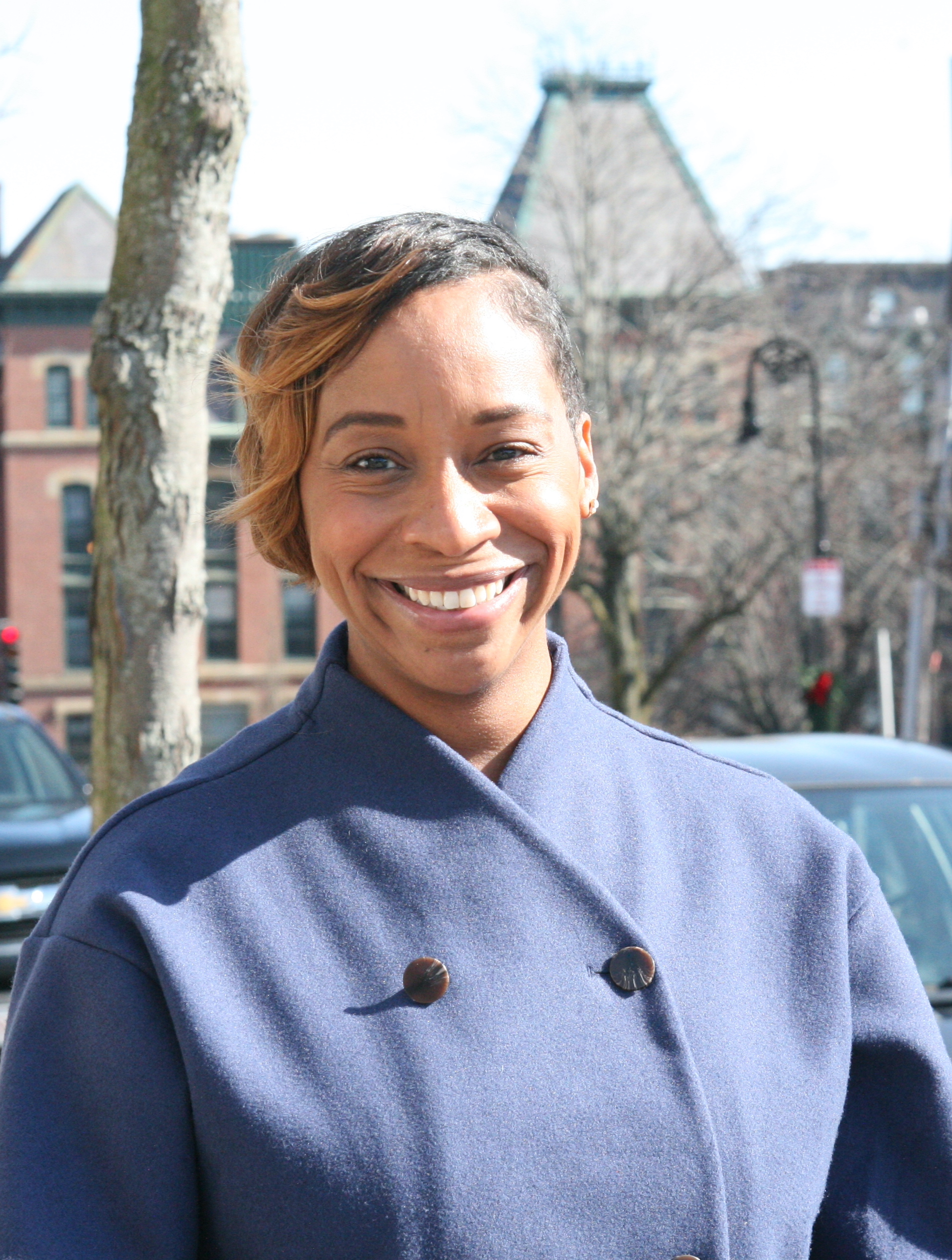


To date, 6 of the 22 members of the Boston delegation on Beacon Hill are facing contested races.

Gov. Maura Healey is proposing a delay in accepting the Trump administration’s tax cuts until next year while a coalition of progressive activist groups and unions is calling on the Legislature to opt out of the cuts entirely.

Some Boston area activists say more should be done to restrict police intelligence sharing with federal agents.

The newly constructed White Stadium sports facility will cost the city $135 million, Mayor Michelle Wu announced last Friday at the William Devine clubhouse in Franklin Park.

Boston Public School employees are bracing for bad news this week in the form of layoffs that could impact as many as 400 people.

Union members, activists, and elected officials gathered in the parking lot of the South Bay shopping center last Friday (Jan. 23) to demonstrate in solidarity with the people of Minneapolis and St. Paul, who were holding a citywide strike that day to protest the violent immigration crackdown there by federal agents.

DESE Commissioner Pedro Martinez (shown here) says state officials are rethinking so-called “takeovers” of local school districts.

Leaders from the Dudley Street Neighborhood Initiative hope to revitalize a city-owned lot the Roxbury-Dorchester line with a variety of arts-related uses.

Wu signals BPS assignment revamp and some activists are asking ‘why?’

Judge Toiya Taylor presided at a community swearing-in ceremony for Councillor Miniard Culpepper on Jan. 10 in Roxbury.

Boston City Council president Liz Breadon has made her picks for committee chairs, which the body is expected to approve at their Jan. 28 meeting.

The Up Academy Holland School will exit state receivership next year, ending more than 10 years of state control over the Dorchester school.

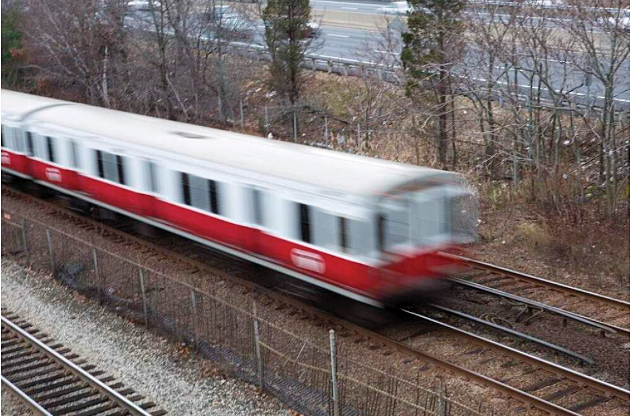
Seven years after MBTA officials announced a ten-year plan to “transform” the Mattapan-Ashmont trolley line, representatives for the agency told attendees of a public meeting on Wednesday evening that they are only 15 percent of the way toward meeting their goals with a massive funding shortfall standing in the way going forward.
State senators who represent parts of Boston will likely have to defend their seats in next year’s election as several potential challengers have created campaign accounts in recent weeks.

The Academy Holland School has seen a major turn-around since 2013— and parents, local electeds, and administrators hope to keep that momentum going under the existing leadership, writes Yawu Miller.