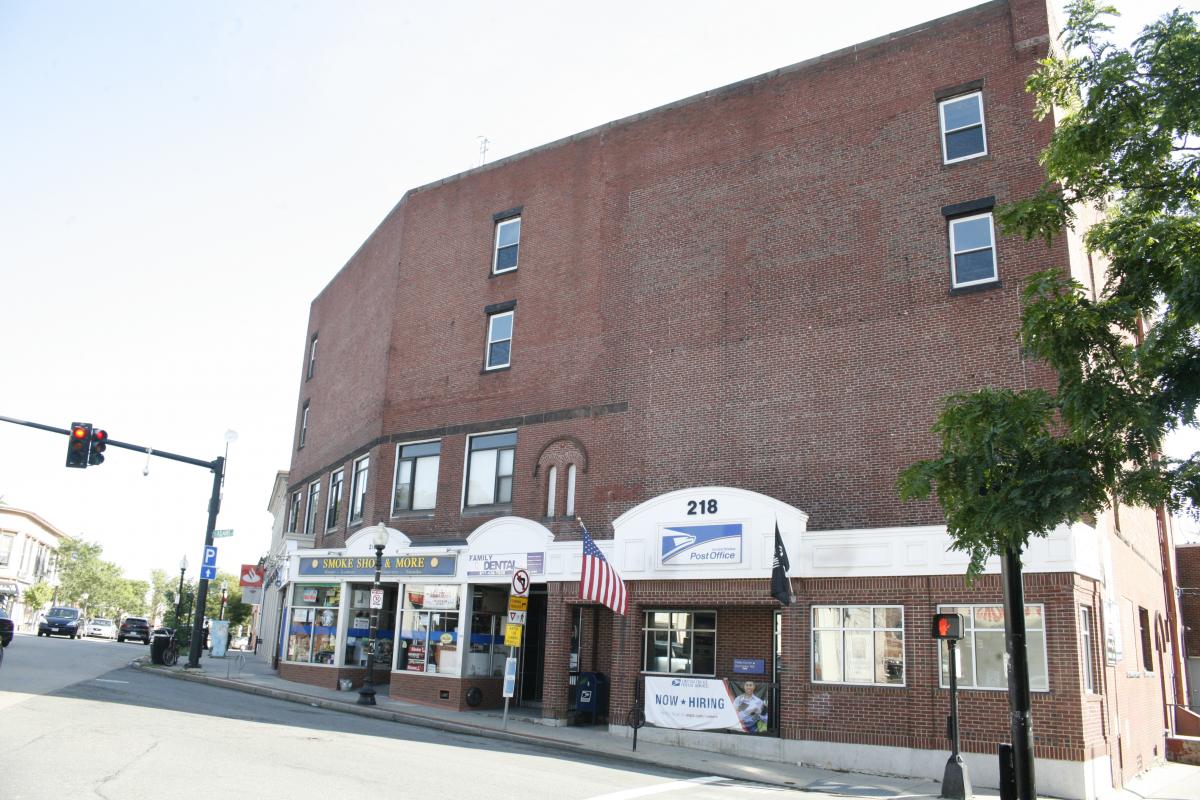


As more people in the Boston area feel squeezed by the housing market, they’re facing a new hurdle: a drop in the economic growth that normally spurs new construction.

Mayor Wu hailed her “state of the schools” address on Oct. 28 as a “historic” first, but it followed a series of high-profile moves by her predecessors to exert leadership over Boston’s public education.

New studies show a Greater Boston population becoming more racially diverse, but also more disconnected by income, and by shifting educational choices following the Covid-19 pandemic. As multiple figures show, the “big sort” declared more than twenty years ago is diverging into new patterns, whether in high-income suburbs or in Boston schools.

New studies show a Greater Boston population becoming more racially diverse, but also more disconnected by income, and by shifting educational choices following the Covid-19 pandemic. As multiple figures show, the “big sort” declared more than twenty years ago is diverging into new patterns, whether in high-income suburbs or in Boston schools.
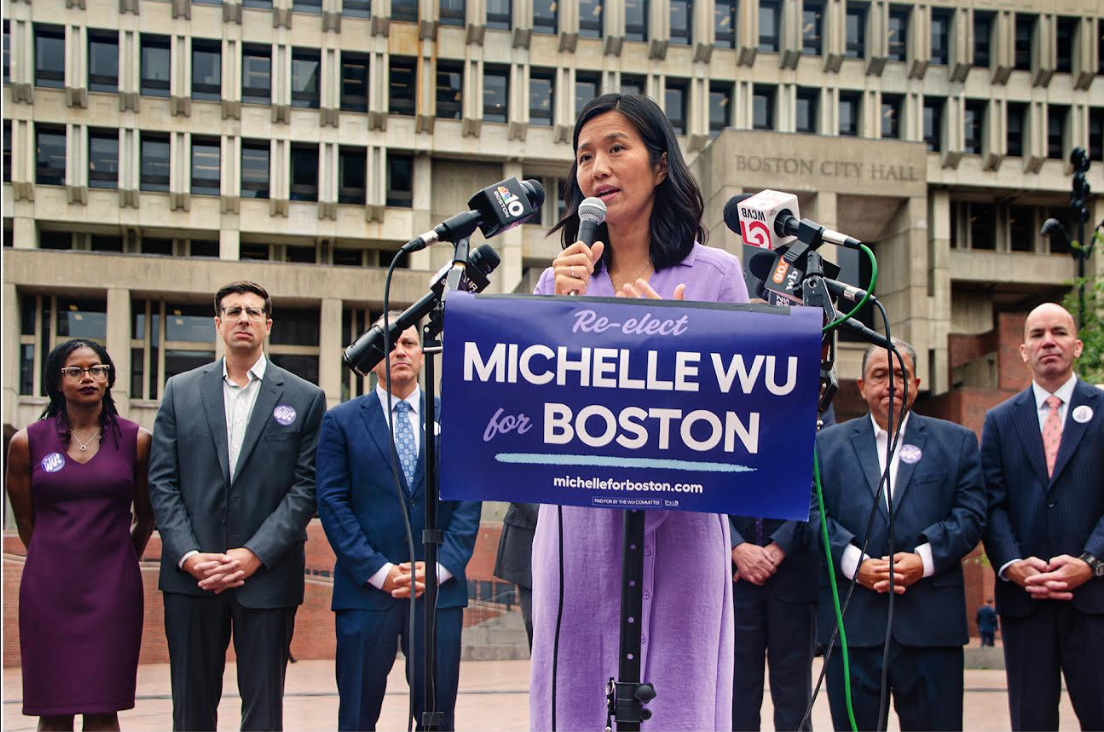
Total numbers from Boston’s Sept. 9 preliminary election reaffirm the time-tested advantage for an incumbent mayor, but a closer look at vote counts and campaign funding gives rise to a less familiar story.
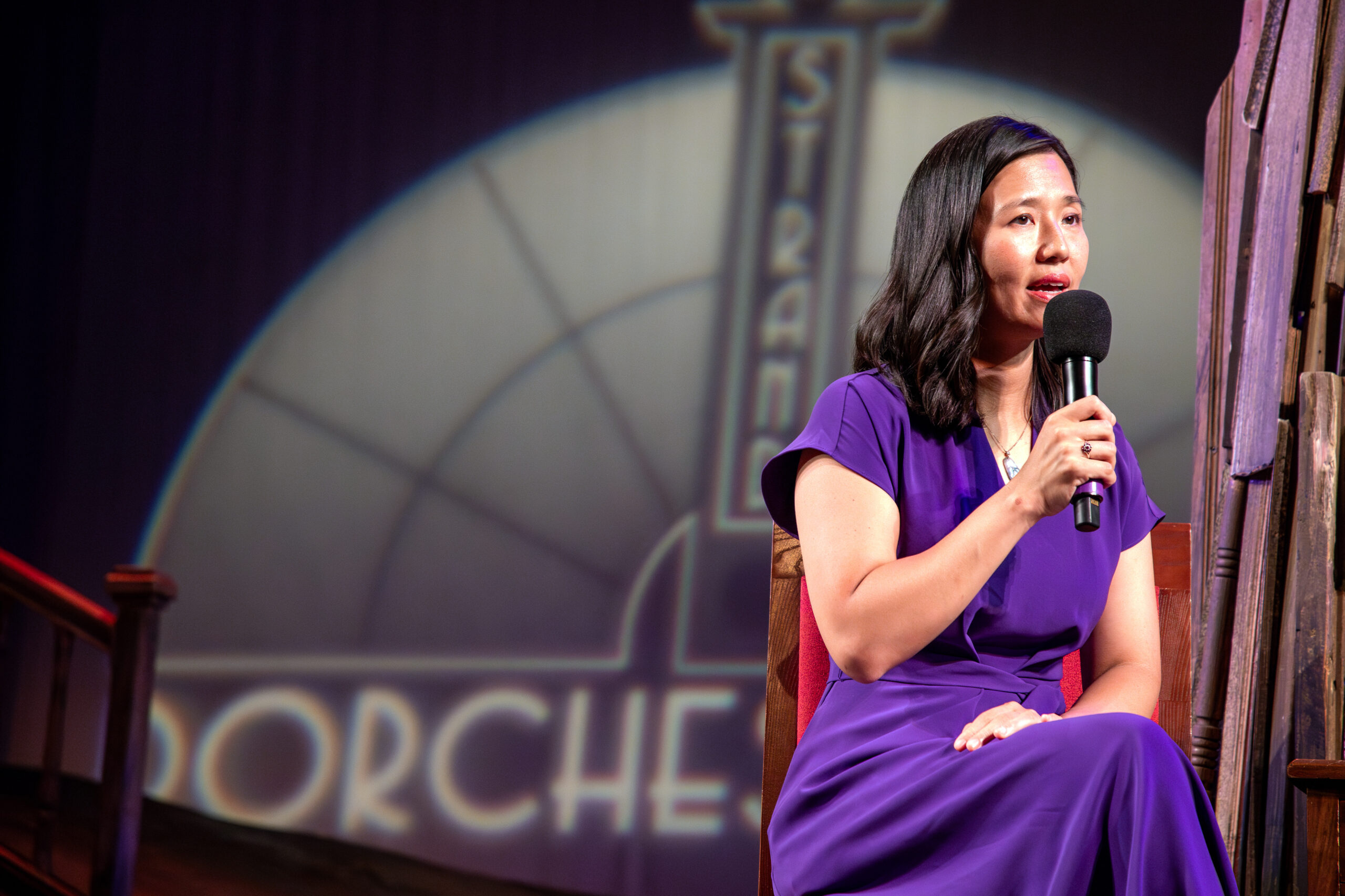
Eighteen years ago, Michelle Wu, a Chicago native and recent Harvard graduate with a degree in Economics, was working in the private sector for a consulting firm when a family crisis changed the course of her life, calling her home to Illinois, then back to Boston, this time with a new sense of mission.
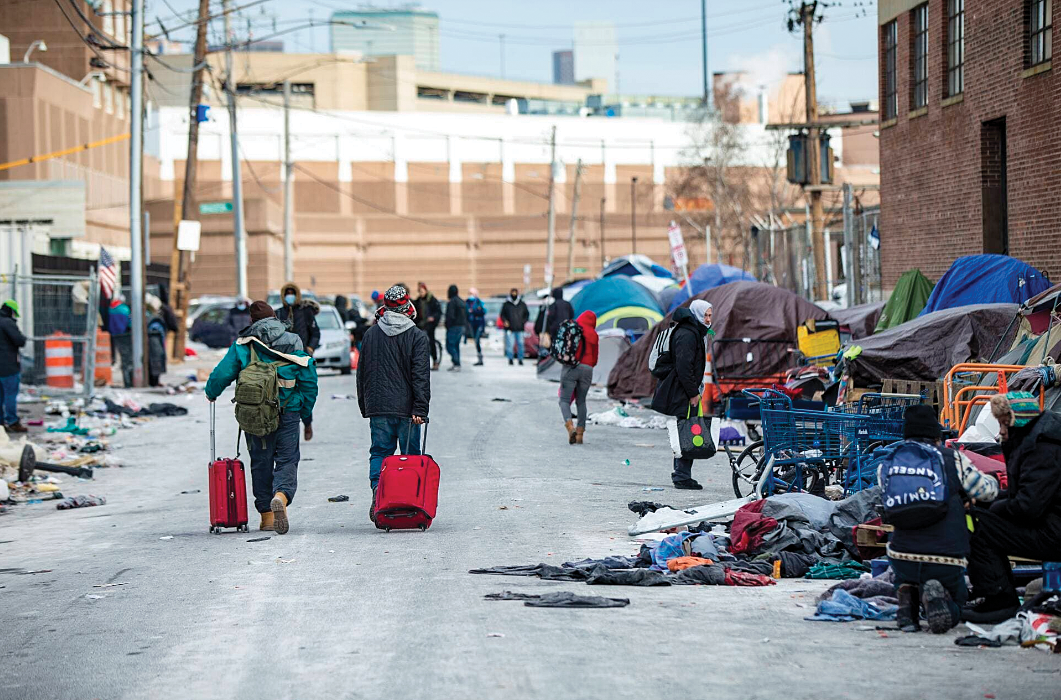
More than ten years after the closing of the Long Island Bridge, and twenty years into a national opioid crisis, a top official in Boston has declared the city’s efforts to resolve the drug-use problem in its South End neighborhood a failure.

As officials consider new adjustments to the admissions policy for Boston’s three exam schools, they run the risk of a new challenge from the Trump administration not only to current practice, but also to a long history of combining academic rigor with opportunity for less advantaged students.
Mayor Wu and the Boston City Council clinched a budget agreement for FY 2026 with a June 9 signing event highlighting restraint, responsiveness, and efficiency.
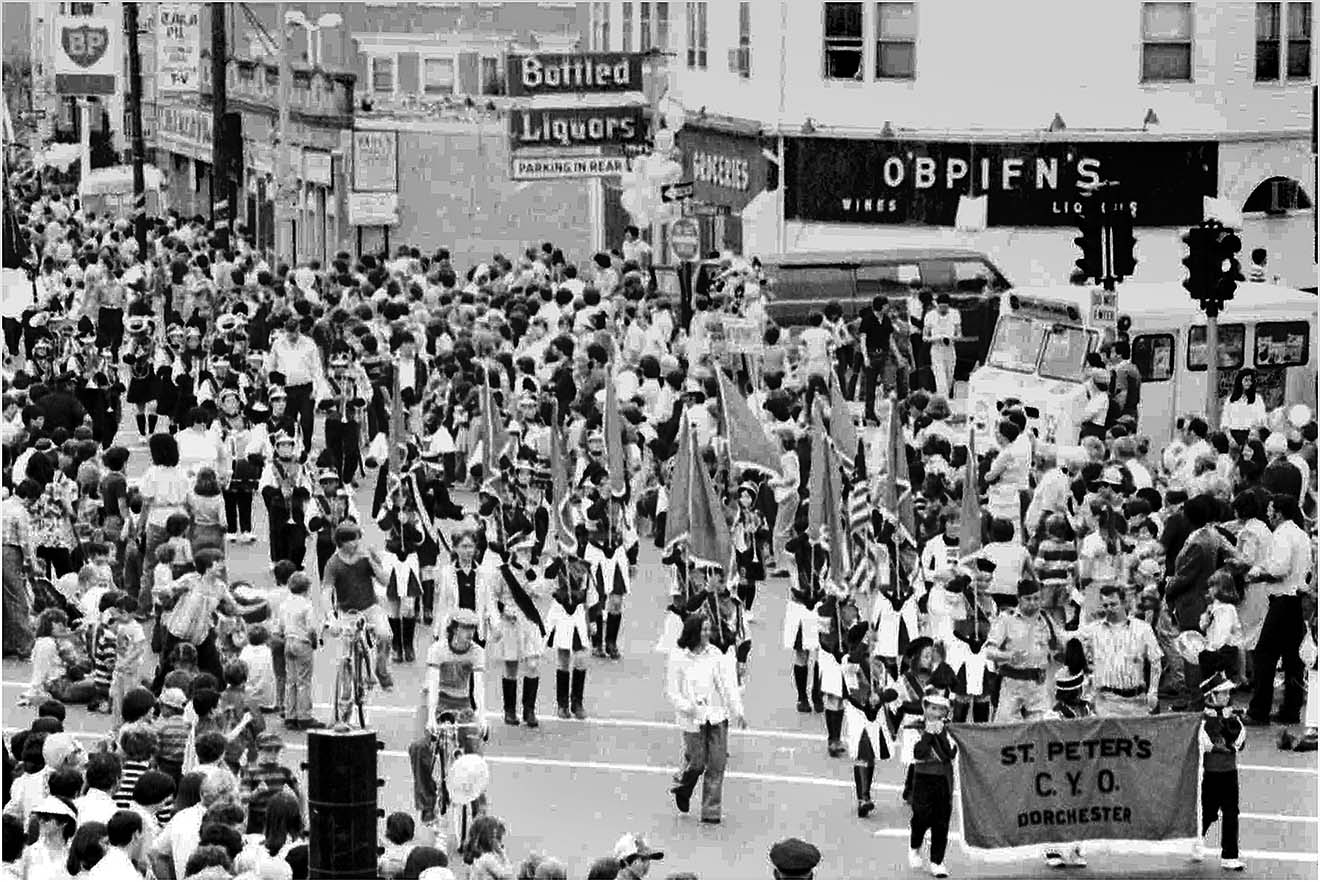
The first observance of Dorchester Day, in June of 1904, took place under a tent on Savin Hill. A celebration of local history and pride, it was also meant to protect an urban wild with a panoramic view from a frenzy of new development.