
The growing scandal over home mortgage foreclosures is reminiscent of a time almost four decades ago. Then, in the wake of the assassination of Rev. Martin Luther King, Jr., the local banking industry designed a program to make home ownership available for persons of color.
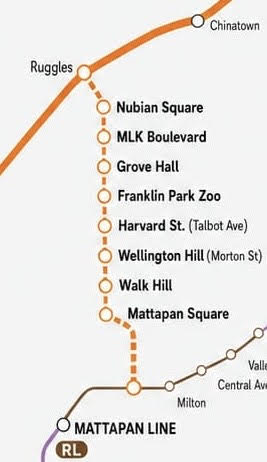
It was called the Boston Bankers Urban Renewal Group-BBURG for short-and the bankers committed to make home mortgage loans to minorities and low-income households. But while hailing their innovation as groundbreaking and historic, the bankers quietly decided to lend only in areas demarcated by a red line they drew on a map around parts of Dorchester and Mattapan. They further negotiated a deal that the loans be guaranteed by a federal agency, the FHA.
In short, the banks made a big deal out of what a self-described bold and risky endeavor, but in truth, there was little or no risk to the banks. The loans, if they failed, were guaranteed by a federal government agency.
In their zeal to promote this public relations stunt, the banks compromised traditional underwriting practices and made loans to persons who ultimately would struggle to make their payments. And when, as was inevitable, loan after loan went into default, the lenders suffered not at all. The rascal real estate brokers who sold the properties had long since taken their winning and vanished, and the poor, first-time homeowners were left in default, without roofs over their heads.
It was a time when block after block of streets filled with three-deckers went down, abandoned and forgotten, leaving scars in residential areas that still remain today. The BBURG program gave birth to two new terms in the urban lexicon: redlining and blockbusting.
Fast-forward now to the current day. In home after home, some residents now find the “sweet deal” they made for an adjustable rate mortgages (ARM) are now coming due, and are being rewritten at steeply increased interest rates. The artificially low introductory rates that enabled made their purchase affordable were for homes that in reality were overpriced. Now, the new mortgage’s costs include the uncollected interest charges at the old below-market rates. The soaring cost of the new ARMs, coupled with a deflation in property values, exceeds the value of equity left in their homes. In short, many now owe more on their homes than the homes are worth, and even if they could find a buyer, they would be unable to pay off the new cost of their mortgage loan.
It is indeed a complicated picture, one that seems to worsen by the day, with no relief in sight. There is blame enough to go around. The mortgage industry has seen dramatic changes since the days of BBURG, and now the lender role transcends traditional bank settings. Private mortgage companies now write many loans and most are quickly sold into the secondary market. The result is there’s little risk to the lender when the loans are made, and some brokers, eager to make a quick commission, falsified documents to meet market requirements. New homeowners themselves must bear responsibility for agreeing to mortgage terms that now are coming back to hurt them.
But the ultimate source of today’s crisis is the unregulated, free market philosophy that has taken hold throughout society. In the home industry, as elsewhere, people will seek to make money, however they can. The consumers who are now being hurt failed to learn the fundamental truth of the marketplace: caveat emptor-buyer beware.
